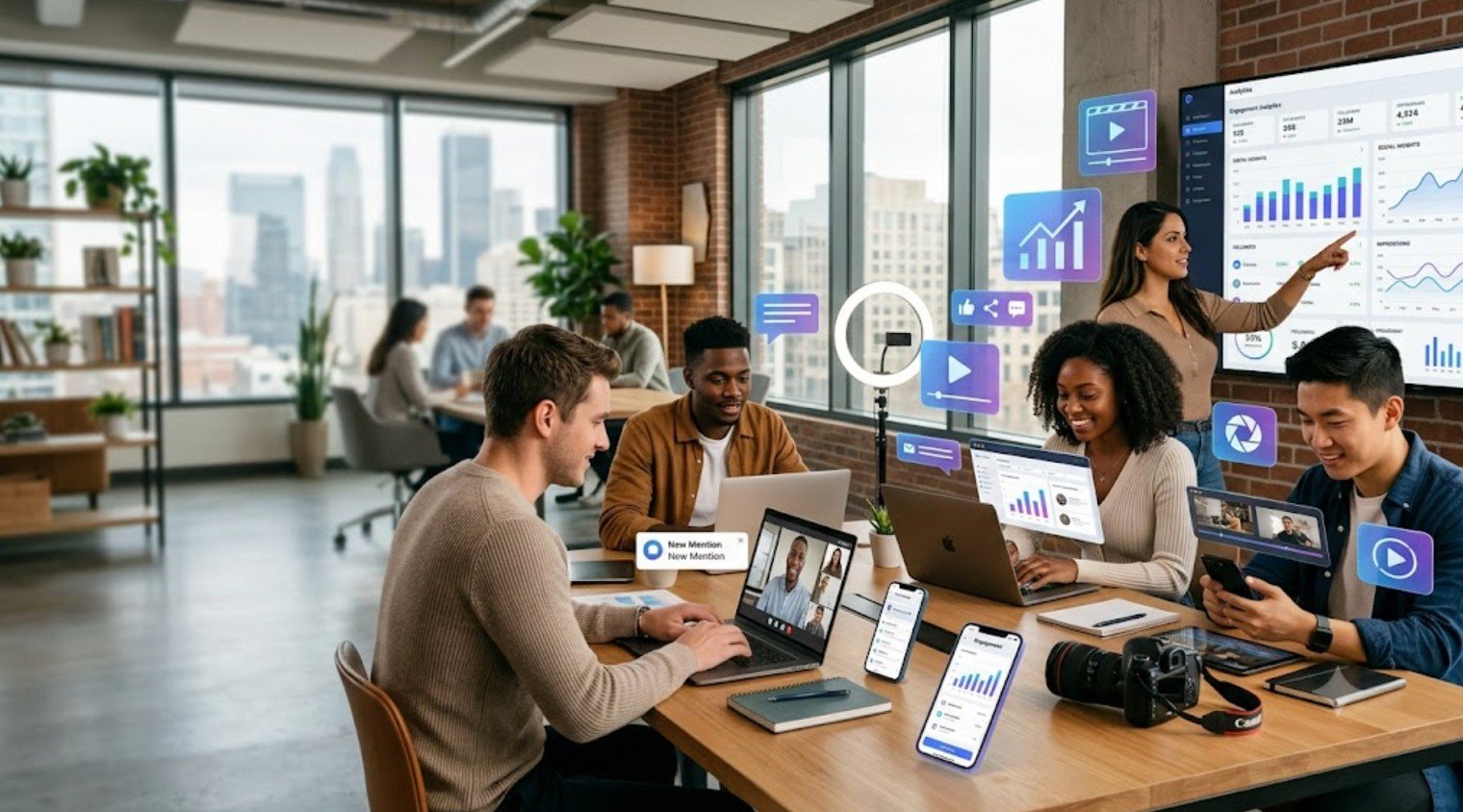
Social media has become a serious career field for writers, designers, video creators, advertisers, analysts, and customer-service professionals. Companies use Instagram, TikTok, Facebook, LinkedIn, YouTube, and other platforms to communicate with customers, promote products, protect their reputation, and generate sales.
As a result, social media jobs now exist in almost every major industry. Some positions are highly creative, while others focus on strategy, advertising, community engagement, or performance data. Understanding these differences can help you choose a role that suits your abilities and build the right experience before applying.
What Do Social Media Jobs Involve?
Social media professionals plan, create, publish, and analyse content for brands or organisations. Their daily responsibilities may include writing captions, designing graphics, recording videos, scheduling posts, replying to comments, researching competitors, and preparing performance reports. O*NET notes that public-relations specialists may specialise in social media and update company websites and social channels.
The purpose of the work is not simply to increase followers. Employers usually want social activity to support measurable outcomes, such as stronger brand awareness, more website visits, customer enquiries, event registrations, or product sales. A successful employee must understand why content is being published, who it is intended to reach, and how its performance will be evaluated.
Best Social Media Jobs to Consider
The best role depends on whether your strengths are creative, analytical, strategic, or communication-based. A content creator may spend most of the day filming and editing videos, while a social media analyst works with campaign data. A community manager focuses on conversations with followers, and a paid social specialist manages advertising campaigns and budgets.
Common positions include:
| Job role | Main responsibility |
|---|---|
| Social Media Coordinator | Schedules posts and supports campaigns |
| Content Creator | Produces videos, images, and written content |
| Community Manager | Responds to followers and manages conversations |
| Social Media Specialist | Manages selected platforms and campaigns |
| Paid Social Specialist | Creates and optimises advertisements |
| Social Media Analyst | Measures performance and prepares reports |
| Influencer Marketing Coordinator | Manages creator partnerships |
| Social Media Manager | Oversees strategy, content, and reporting |
Entry-level candidates often begin as interns, assistants, or coordinators. With experience, they may progress into strategy, advertising, analytics, or management. The broader communications field continues to provide regular opportunities; the U.S. Bureau of Labor Statistics projects 5% employment growth for public-relations specialists between 2024 and 2034.
Skills and Qualifications Employers Expect
Strong writing remains one of the most important skills in social media work. Even video-focused professionals need to prepare scripts, captions, briefs, and replies. Candidates must also understand tone of voice, audience behaviour, basic design principles, and the differences between major platforms.
Employers frequently look for experience with tools such as Canva, Adobe Creative Cloud, CapCut, Meta Business Suite, Google Analytics, scheduling platforms, and spreadsheets. O*NET also identifies communication, media knowledge, writing, critical thinking, and audience awareness as relevant capabilities for public-relations and marketing occupations.
A degree in marketing, communications, journalism, public relations, business, or media studies can be helpful, but it is not required for every position. Smaller companies and agencies may place greater value on a strong portfolio and proven practical ability. Free professional training through Google Skillshop can also help candidates understand advertising, measurement, and digital campaign tools.
Certificates can support an application, but they should not replace practical examples. Employers are more likely to be impressed by a well-planned campaign, clear writing, strong video editing, or an analytics report than by a long list of courses with no evidence of applied work.
How to Get Hired for a Social Media Role
Start by building a focused portfolio. It does not need to contain work for a major company. You can create a sample campaign for a fictional brand, support a local business, or manage content for a student organisation. Include a short explanation of the goal, target audience, content choices, and results.
A useful beginner portfolio may contain:
- A 30-day content calendar
- Five branded social posts
- Two or three short-form videos
- Sample captions for different platforms
- A basic audience profile
- A campaign idea with measurable objectives
- A simple performance report
Tailor every application to the position. A community-management role should highlight customer communication and conflict handling, while a content-creator application should focus on scripts, visuals, editing, and storytelling. For paid advertising work, include audience targeting, budget management, testing methods, and performance metrics.
During interviews, be prepared to explain your decisions rather than only showing attractive designs. Employers may ask why you chose a certain platform, how you would respond to negative comments, or what you would change if a campaign produced weak results. Clear reasoning shows that you understand both content and business objectives.
Where to Find Legitimate Opportunities
You can find social media jobs on LinkedIn, Indeed, recognised recruitment websites, official company career pages, university job boards, and established freelance platforms. Search under several job titles because employers do not always use the same terminology.
Useful search phrases include “social media coordinator,” “community manager,” “content creator,” “paid social specialist,” “digital marketing assistant,” and “influencer marketing coordinator.” Checking the company’s own website before applying can help confirm whether the vacancy is genuine.
Be cautious with unexpected offers received through WhatsApp, Telegram, text messages, or social platforms. The U.S. Federal Trade Commission warns that job scammers may promise easy income for simple online activities or impersonate recognised companies. Honest employers should not require you to pay money, purchase equipment through them, or send cryptocurrency before starting work.
Remote positions are particularly attractive, but they can also receive a high number of applications. A tailored résumé, relevant portfolio, and concise cover letter will usually perform better than sending the same generic application to dozens of employers.
Conclusion
The best social media jobs include content creation, community management, paid advertising, analytics, influencer marketing, and social media strategy. Each path requires a different balance of communication, creativity, technical knowledge, and commercial awareness.
To improve your chances of being hired, develop practical skills, create a focused portfolio, and apply for roles that match your strongest abilities. Formal education can help, but employers also value candidates who can explain their decisions and connect social media activity to meaningful business results.
Frequently Asked Questions
Can I get a social media job without experience?
Yes. Build experience through personal projects, volunteer work, internships, or supporting a small local business. Present the work professionally in a portfolio.
Do social media jobs require a degree?
Not always. Some employers prefer a degree in marketing or communications, while others prioritise practical ability, platform knowledge, and portfolio quality.
Can social media professionals work remotely?
Yes. Many content, community, advertising, and analytics responsibilities can be completed remotely, although some creator roles require on-site filming.
Which social media job is best for beginners?
Social media assistant, content assistant, community coordinator, and social media intern roles are common entry points for candidates with limited professional experience.